
Session 1
What EF Skills Are
Systems for managing classes, deadlines, and materials so your student can stay ahead instead of scrambling at the last minute.
Imagine if your child stayed organized, managed emotions, and followed through — all without you needing to nag, remind, or redo their systems for them.
That’s what an Executive Function Coach can do. And it’s easier and faster than you think.
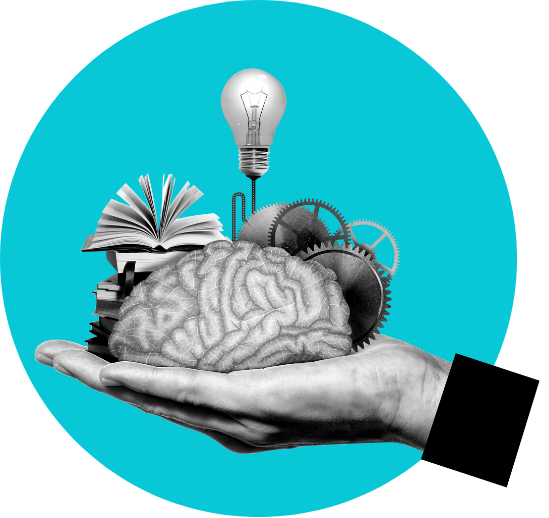
Executive Functions are the mental skills kids use to:
Executive Function skills are one of the best predictors of long-term success — even more than IQ!
Better yet, these skills can be taught.

“I’ll do it later.” (…followed by a 9:30 PM meltdown)
If you're nodding along, an Executive Function Coach can make a huge difference.
Your child isn’t behind — they just haven’t been taught these skills yet.

No more battles over homework.
No more stress spirals.
No more “I forgot,” “I’ll do it later,” or “I can’t.”
Instead, your kids:
That’s the power of Executive Function coaching.

Most companies guess. We don’t.
We partner with RUSH NeuroBehavioral Center—a national leader in executive function research—to shape our programs and train educators across the country.
This isn’t coaching based on “tips.”
It’s neuroscience-informed instruction that builds the habits of leadership, follow-through, and self-management that college admissions officers consistently look for.
Our Advisors can help you choose (or build) the right program for your family.
Select your student's stage to see exactly what they'll learn
Systems for managing classes, deadlines, and materials so your student can stay ahead instead of scrambling at the last minute.
Using tools like the Eisenhower Matrix so your student can do the most important work first instead of only what’s urgent.
Identifying why they put things off and how to break the cycle so your student can start earlier and finish with less stress.
Evidence-based study strategies so your student can remember more from each study session and perform better on assessments.
Weekly routines that balance school, activities, and rest so your student can handle heavier workloads without burning out.
Exploring the drivers of academic confidence so your student can trust their abilities and push through challenge.
Strategies for tackling dense textbooks and primary sources so your student can pull key arguments and evidence efficiently.
Learning when they focus best and how to plan around it so your student can complete work faster and with higher quality.
Responding to grades and comments with resilience so your student can adapt, improve, and stay emotionally steady.
High-level note systems for AP, IB, and honors courses so your student can organize complex information for tests and essays.
An overview of the planning and organization skills behind school success so your child can see why we’re building new habits together.
Active-listening strategies that capture key points and directions so your child can reduce confusion and missed instructions.
Simple note formats that support studying so your child can review quickly and feel ready for quizzes and tests.
Weekly study plans that prevent last-minute cramming so your child can feel prepared instead of panicked.
Connecting emotions, thoughts, and actions so your child can recover faster from setbacks and keep going.
Identifying internal and external distractions so your child can get more done in less time.
Strategies for staying engaged when work feels slow or repetitive so your child can finish necessary tasks without constant reminders.
Using tools like the Emotional Response Keyboard so your child can handle tough days and feedback more calmly.
Turning teacher comments into a clear plan for improvement so your child can see feedback as a tool, not a threat.
Visual planners that organize ideas and projects so your child can plan ahead and understand how they learn best.
A kid-friendly intro to organization, routines, and “brain skills” so your child can remember materials and reduce morning and evening chaos.
Simple listening strategies that help younger learners hold onto multi-step directions so your child can follow instructions with less repeating.
Sketch notes and key-word strategies so your child can stay engaged and remember what they learned in class.
Simple routines and “study warm-ups” so your child can start homework more independently instead of needing constant prompting.
Using feelings, thoughts, and actions to understand big emotions so your child can calm down faster and stay with a task.
Fun strategies to notice and reduce distractions so your child can finish homework faster with fewer side-tracks.
Tools for what to do when work feels “too long” so your child can stick with assignments even when they aren’t exciting.
A simple classroom tool for naming emotions and choosing a next step so your child can feel more confident and less overwhelmed.
Turning corrections into help instead of criticism so your child can grow without shutting down or saying “I’m just bad at this.”
Visual tools for planning stories, projects, and studying so your child can break big tasks into steps and feel in control.
Revolution Prep partners with schools across the nation to help students prepare for academic, college, and life success.





They’re the mental skills students use to plan ahead, stay organized, start tasks, manage time, and regulate emotions. They’re not academic—they’re daily life skills that impact everything from homework to confidence.
Common signs include forgetting assignments, procrastinating, emotional overwhelm, difficulty starting work, messy backpacks, or needing constant reminders. EF coaching builds independence instead of relying on parents to manage everything.
Students work 1:1 with a trained coach to build routines, learning systems, planning habits, time-management tools, and emotional regulation strategies. Every session includes skills your child can apply the same day.
No. EF coaching is practical and skills-based. It focuses on habits, systems, and daily routines—not emotional processing. Many families use EF coaching alongside therapy, but they serve different purposes.
Yes. EF coaching supports the exact skills ADHD students typically struggle with: organization, focus, task initiation, planning, and emotional regulation. It’s not a medical treatment, but works extremely well alongside one.
Most families notice meaningful improvement within 3–5 sessions. In 10 hours, students build foundational systems that improve independence long-term.
Elementary focuses on routines and emotional regulation. Middle School builds study systems and organization. High School develops planning, productivity, and academic independence.
In collaboration with Rush NeuroBehavioral Center